
UNF research: How Undergraduate Research Transforms Learning and Careers
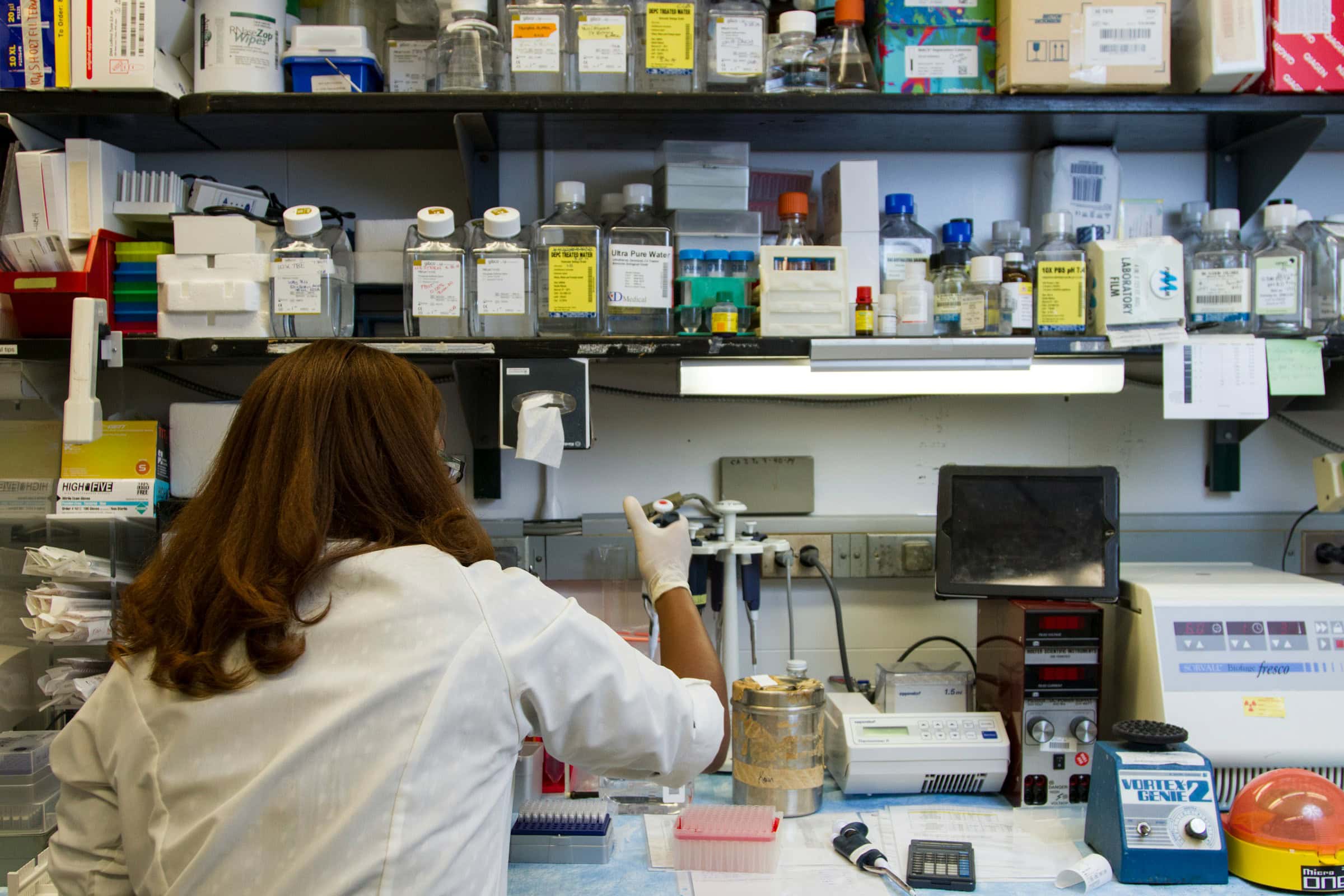
Explore UNF has assembled a practical guide to UNF research, showing how intentional mentorship, hands-on projects, and institutional support create powerful learning experiences for undergraduates. UNF research is more than a resume line; it is a pathway to skill building, professional growth, and meaningful contributions to local and global communities. The UNF Office of Undergraduate Research connects students with these opportunities and helps them navigate funding, presentation, and real-world application of classroom learning.
What the UNF Office of Undergraduate Research does
The UNF Office of Undergraduate Research exists to help students discover and engage in undergraduate-level inquiry. As described by university leadership, the office’s daily mission is to “help students find research experiences on our campus.” That includes outreach to students who already know they want to conduct research and to the larger number who are unaware of what is possible.
UNF research initiatives typically begin by exposing students to opportunities in early coursework, advising, and public talks. Faculty members and program staff point students toward work that complements their major and offers hands-on application of classroom theory. Beyond matching students to projects, the UNF Office of Undergraduate Research assists with logistical support such as funding for materials, travel grants to present findings at conferences, and administrative help to navigate university resources.
Why undergraduate research matters
UNF research is a transformative experience for many students. It deepens subject knowledge and teaches students to think like practitioners rather than only consumers of knowledge. Direct mentorship with faculty allows for one-on-one guidance, iterative feedback, and the kind of responsibility that builds confidence. As one faculty member explained, working with students outside of the classroom enables them to “use your brain in a different way and apply what you’ve learned.” That shift from passive learning to active inquiry is at the core of what makes undergraduate research valuable.
The benefits of UNF research include development of technical skills, critical thinking, project management, and communication. These competencies translate to competitive advantages for students who pursue graduate school or enter the workforce directly. The UNF Office of Undergraduate Research emphasizes these outcomes, encouraging students to document and present their work to professional audiences.
Who can do UNF research? Disciplines and possibilities
A common misconception is that research is primarily a STEM activity. While UNF research includes robust work in molecular biology, chemistry, engineering, and the physical sciences, the university also supports strong projects in the social sciences, humanities, arts, and languages. Faculty in literature, history, languages and cultures, and the arts regularly mentor students through research that engages the community and addresses societal questions.
Projects in humanities and social sciences often involve collaboration with community members, archival work, field interviews, and cultural analysis. These projects have tangible impact locally and globally, depending on scope. For example, literature majors may study cultural texts that inform community programs, while history students might work with local organizations to preserve oral histories. The UNF Office of Undergraduate Research ensures that research is distributed across disciplines, so students in all majors can participate in meaningful inquiry.
Funding and presenting research
UNF research is supported through a variety of funding mechanisms administered or promoted by the UNF Office of Undergraduate Research. Once students secure a research placement, they can apply for grants that fund supplies, software, equipment, and travel. Conference support is a crucial component: presenting at regional and national conferences helps students refine their communication skills and network with professionals in their field.
Faculty mentors and the Office staff also guide students through abstract submission, poster design, and oral presentation practice. These experiential components are essential to turning a campus project into a professional contribution. For students who hope to pursue graduate school, this portfolio of presentations and funded projects can significantly strengthen applications.
Case study: Building a zebrafish research program from the ground up
An illustrative example of UNF research in action involves a biology major who found an opportunity through a faculty lecture. The student connected with a faculty mentor who had a large dataset from her postdoctoral work on zebrafish. That conversation began a multi-year project that combined data analysis, coding, animal husbandry, and systems-building.
Initially the student worked on the informatics side, analyzing data and writing code to extract meaningful results. When the campus lacked the physical infrastructure to maintain zebrafish, the project expanded. The student contributed to building an entire aquarium system and took care of live fish during a summer when the mentor was away. This level of responsibility gave the student ownership of the work and exposure to the full lifecycle of a research project, from data to living specimens.
This example highlights how UNF research can allow undergraduates to participate in every stage of an investigation. Students are not limited to a single task. They can analyze legacy data, create new experiments, and develop the infrastructure necessary to sustain ongoing research. The UNF Office of Undergraduate Research helps match motivated students with mentors and resources to advance these efforts.
Learning technical and professional skills
Work in UNF research exposes students to a mix of technical and transferable skills. Technical abilities include laboratory techniques, coding and informatics, experimental design, data analysis, and species-specific husbandry. Transferable skills include communication, project management, grant writing, and ethical research practices.
Students often emphasize how research made them more marketable. A faculty member noted that experiential learning makes students “that much more marketable for when you go to graduate school, or even if you’re looking to go right into the workforce.” Employers and graduate programs value candidates who have demonstrated initiative, completed projects, and navigated the real-world complexities of research.
Mentoring and independence
Mentorship is a defining component of UNF research. Faculty mentors offer expertise, feedback, and professional networks. At the same time, mentors encourage independence so that students learn to solve problems, plan experiments, and manage day-to-day responsibilities. In the zebrafish example, the student described returning to the mentor’s office repeatedly to work through analysis independently at first, then taking on more responsibility as confidence and skills grew.
Many students find that this balance—supportive mentorship coupled with increasing independence—is what makes research both challenging and rewarding. Mentors expect accountability and professionalism, but they also provide the scaffolding necessary for undergraduates to succeed.
How UNF research connects to community impact
Research at the university often extends beyond the lab and classroom into the local community. Projects in language, culture, and history frequently collaborate with local organizations, schools, and cultural centers. Applied social science research can inform public policy, health interventions, and educational programming. This community-focused research benefits residents and provides students with a sense of purpose and civic engagement.
UNF research also produces findings that have broader relevance. Whether a student analyzes environmental data, contributes to biomedical research, or documents cultural heritage, the outcomes can inform larger scholarly debates and practical applications.
Practical steps to begin UNF research
Explore UNF has assembled recommended steps for students who want to begin UNF research. These steps are designed to demystify the process and put students on a clear path to finding a project that matches their interests and goals.
- Attend departmental talks and public lectures to learn about faculty projects and open positions.
- Visit the UNF Office of Undergraduate Research to review available projects and funding opportunities.
- Speak with faculty during office hours to discuss potential collaborations and expectations.
- Look for interdisciplinary centers and institutes around campus at UNF where research projects often seek undergraduate assistants.
- Apply for internal grants early to secure support for materials and conference travel.
- Plan for time management and course load so research responsibilities are sustainable.
These steps are practical starting points. The UNF Office of Undergraduate Research helps students tailor these actions to their major, schedule, and long-term goals.
Balancing research with student life and logistics
A realistic approach to UNF research recognizes the practicalities of student life. Students must consider course schedules, part-time jobs, and campus logistics such as parking on campus. The university’s support offices can help students manage these realities so that research remains feasible alongside other responsibilities.
Students who commit to UNF research usually work with mentors to schedule regular meetings and set clear milestones. This planning reduces conflict with classes and other obligations. When travel to conferences or off-campus research sites is required, the UNF Office of Undergraduate Research can advise on funding and logistics to minimize disruption to the student’s schedule.
From campus projects to internships and beyond
Effective UNF research experiences can open doors to internships, fellowships, and employment. In one example, a student who developed skills analyzing data and managing a vivarium later secured an internship at a major healthcare research center. The bridge between campus projects and professional opportunities is often facilitated by faculty recommendations, a strong research portfolio, and conference presentations made possible with UNF Office of Undergraduate Research support.
Students are encouraged to document their research experiences thoroughly, preparing abstracts, posters, and short summaries that can be used in job and graduate school applications. Presenting at conferences and publishing in undergraduate research journals further strengthens a candidate’s profile.
Advice for faculty mentors and program designers
Faculty mentors play an essential role in the success of UNF research. Successful mentoring balances challenge and support, sets clear expectations, and provides opportunities for students to take ownership. Program designers should encourage interdisciplinary collaboration, offer transparent funding pathways, and provide professional development for students, such as presentation workshops and writing clinics.
Mentors can expand student impact by encouraging community partnerships, contributing to publicly accessible datasets, and guiding students through ethical considerations in research. The UNF Office of Undergraduate Research acts as a hub for this activity, connecting faculty with institutional tools that increase the reach and quality of undergraduate projects.
Measuring the success of UNF research programs
Program success can be measured in multiple ways. Quantitative metrics include the number of students engaged, grants awarded, presentations completed, and publications produced. Qualitative outcomes include student testimonials, mentor evaluations, and evidence of career and graduate school placements. Students who complete UNF research often report increased confidence, clearer professional goals, and stronger analytical skills.
To sustain growth, the UNF Office of Undergraduate Research continues to document outcomes and share success stories that demonstrate how research experiences benefit students and the broader community.
How to navigate campus resources
Students looking to begin UNF research should plan practical steps to access campus resources. That might include arranging meetings with advisors, checking departmental notice boards, and confirming logistical details like parking on campus for those who commute and need reliable access to labs or archives. The UNF Office of Undergraduate Research provides guidance on these practical issues so students can focus on the intellectual work.
Explore UNF has assembled centralized information that helps new researchers find labs, identify mentors, and learn about available facilities. The university’s online platforms and the office’s staff can answer questions about scheduling, equipment access, and policies related to research conduct.
Building a culture of inquiry at UNF
Creating a campus-wide culture that values undergraduate inquiry involves outreach, visible opportunities, and faculty-student partnerships. When students see peers presenting at conferences or read about successful projects around campus at UNF, they are more likely to consider research as part of their educational path. The UNF Office of Undergraduate Research supports this culture by promoting projects, recognizing student achievements, and facilitating interdisciplinary events.
Programs that highlight undergraduate achievements—such as student research symposia and publication venues—send a clear message: research is integral to the undergraduate experience at UNF.
Final reflections
UNF research empowers students to translate classroom learning into real-world contributions. The UNF Office of Undergraduate Research plays a central role by matching students with mentors, securing funding, and providing professional development opportunities. Whether a student is analyzing large biological datasets, building a vivarium from scratch, or documenting local histories, the research experience offers lasting benefits.
Explore UNF has assembled pathways and resources for students who want to pursue research, and departmental events remain a practical way to discover projects. Students should also be mindful of day-to-day logistics such as parking on campus and scheduling so that research commitments remain manageable. Ultimately, UNF research is about growth: gaining expertise, developing a professional identity, and contributing to knowledge that matters.
FAQs
Where can students look for current listings of undergraduate research opportunities?
Begin with the UNF Office of Undergraduate Research and departmental websites. exploreUNF.com and campus event listings often advertise openings, and faculty seminars provide another direct route to opportunities. Students can also consult advisors and peer networks to find projects aligned with their interests.
Can undergraduate students be responsible for animal care or lab infrastructure?
Yes, with appropriate training and supervision. Some students take on significant responsibilities, such as breeding and maintaining zebrafish under faculty oversight. These roles come with protocols, safety training, and mentor guidance to ensure both ethical treatment and student learning.
How does research participation affect employability?
Employers value the combination of technical skills and soft skills cultivated through research. Students who have completed UNF research report improved problem solving, project management, and communication abilities, which enhance job prospects and workplace readiness.
Resources and next steps
Students interested in UNF research should reach out to the UNF Office of Undergraduate Research for individualized assistance. Explore UNF has assembled online materials and contacts that simplify the search process. Faculty are encouraged to include research opportunities in early courses so students learn that inquiry is an accessible and rewarding option.
UNF research is a collaborative enterprise. When students, faculty, and institutional offices work together, undergraduate inquiry flourishes and produces impacts both on campus and beyond.